

You check your outfit before heading out, and there it is dog hair clinging to your clothes again. It is a frustrating, everyday problem for pet owners, especially when you are short on time and need to look presentable. The good news is that removing dog hair from clothes does not have to be difficult or time-consuming. With a few simple tools and the right approach, you can deal with both light shedding and stubborn fur quickly. After trying different methods on a range of fabrics, from soft cotton to heavy jackets, I have found practical solutions that actually work in real-life situations.
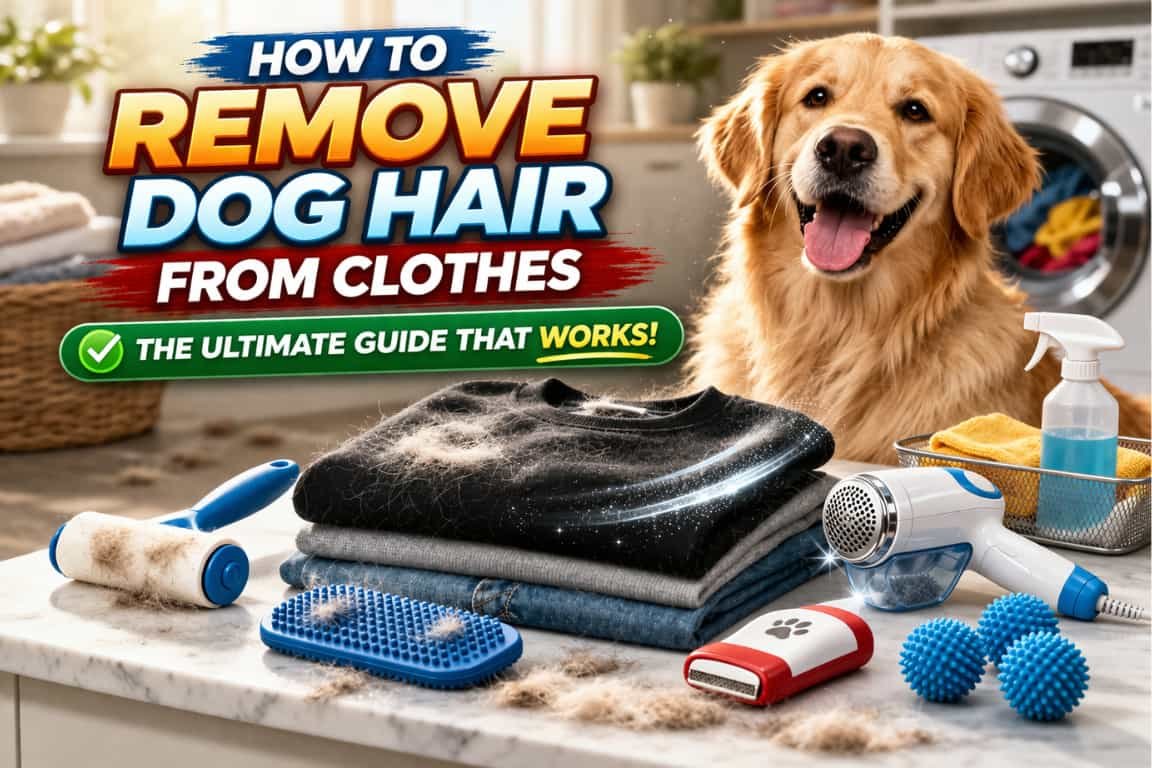
Why Dog Hair Sticks to Clothes
Dog hair does not stick to clothes by accident. Static electricity attracts loose strands, and once they work their way into tiny fabric fibers, they remain until you remove them manually. Dogs that shed heavily or have thick coats leave even more hair behind, particularly during seasonal changes when shedding increases. Understanding why hair clings to clothing helps you pick the most effective removal methods. Instead of wasting time on ineffective tricks, you can focus on tools and techniques that actually work, keeping your clothes cleaner and hair-free.
Best Tools for Removing Dog Hair from Clothes
Choosing the right tool makes learning how to remove dog hair from clothes much easier. Every option works in its own way, and some handle certain fabrics better than others. The tools below are common in most homes, so you won’t need to buy anything unusual. If you are looking for a nail clipper for your dog, this guide is the best choice for you.
Lint Roller
A lint roller is often the fastest solution for everyday dog hair cleanup. Running it along sleeves, lapels, collars, and seams lifts loose strands immediately, making clothes look presentable in minutes. I use it whenever I am heading out and need a quick touch-up. On days when shedding is heavy, you will need to replace sticky sheets more frequently, but the ease and speed make it worthwhile. It works on most fabrics and is especially handy for last-minute fixes.
What We Like
- Works fast on most clothing.
- Good for tight areas like collars.
- Great for last-minute fixes.
What We Don’t Like
- Refills run out quickly.
- Not strong enough for deeper fibers.
- Can leave a slight adhesive feel on delicate items.
Price Range (USD)
- $5 to $15 for basic rollers and refills
Rubber Gloves
Rubber gloves are surprisingly effective for removing dog hair once you learn the right technique. When slightly dampened, they grip loose strands and gather them into clumps that are easy to rinse off. This method works particularly well on textured fabrics, such as jackets, hoodies, and thicker tops, where hair tends to stick stubbornly. It’s a reusable and inexpensive option that covers large surfaces efficiently, giving a cleaner finish without relying on sticky sheets or specialized tools.
What We Like
- Reusable and budget-friendly.
- Covers large areas fast.
- Gentle on most fabrics.
What We Don’t Like
- Takes a moment to learn the right pressure.
- Not ideal for seams or corners.
- Slower than a lint roller for small spots.
Price Range (USD)
- $3 to $10 for a pair of standard rubber gloves
Dryer Sheets
Dryer sheets help remove dog hair by reducing static cling on clothes. I toss clothes in the dryer with a sheet for about 5–10 minutes on low heat, and most hair loosens and collects in the lint trap. You can also rub the sheet directly over fabric to pull off hair. This method is great when combined with a lint roller or brush, and it softens clothes while loosening stubborn strands. Dryer sheets are convenient, especially for multiple garments at once, but alone, they may not remove all heavy shedding, so I always pair them with another tool.
What We Like
- Cuts down static.
- Works on multiple pieces at once.
- Helps loosen stubborn strands.
What We Don’t Like
- Single-use.
- Not enough for heavy shedding.
- Some people avoid scented products.
Price Range (USD)
- $5 to $12 per pack of 40–50 sheets
Clothes Brush
A clothes brush is ideal for thicker fabrics or embedded dog hair. I brush jackets, coats, and sweaters in one direction, and hair collects on the bristles. Some brushes have dual sides for delicate and heavier fabrics. This method requires a little effort, but it’s long-lasting and reusable, making it cost-effective over time. Unlike lint rollers, there’s no need to replace sheets, and it works well even on textured surfaces. It’s perfect for removing hair before washing or for fabrics that can’t go in the dryer.
What We Like
- Great for thick fabrics.
- No ongoing cost.
- Useful before washing or when drying isn’t possible.
What We Don’t Like
- Requires more effort.
- Not ideal for smooth fabrics.
Price Range (USD)
- $10 to $25 depending on brush quality and size
Step-by-Step Ways to Remove Dog Hair from Clothes
Dealing with dog hair does not have to be frustrating. Following a simple, consistent routine makes the process faster and more effective. Whether you are getting ready for the day or handling laundry, these steps help remove both loose and stubborn strands from all types of clothing, especially if you have a thick-coated dog. Using the right order shaking, rolling, brushing, washing, and drying keeps clothes cleaner for longer and reduces buildup over time. Pairing this routine with regular grooming using the best dog clippers for thick hair in 2026 can further minimize shedding, saving effort and keeping fabrics in good condition.
1. Shake the Clothes Outside
Hold each garment by the shoulders or hem and shake firmly outdoors. This releases loose strands before they settle deeper into the fabric. Doing this first saves time later and reduces the amount of hair your tools need to pick up, especially on textured or dark clothing.
2. Use a Lint Roller
Roll the lint roller from top to bottom, applying gentle pressure. Focus on areas where hair hides, like cuffs, collars, and seams. Replace sticky sheets when they fill up. This method works best for smooth fabrics and light layers, giving a quick, visible improvement.
3. Use Rubber Gloves
Lightly dampen a rubber glove and sweep your hand across the fabric. Hair clumps together, making it easy to rinse off. Repeat over large areas until the garment looks clean. This works well on textured fabrics or items where a lint roller struggles to remove embedded strands.
4. Run Clothes with a Dryer Sheet
Put garments in the dryer on low heat with a dryer sheet for 5–10 minutes. The sheet reduces static and loosens stubborn hair. Afterward, shake the clothes again. This step softens fabrics and makes any remaining strands easier to remove with a brush or roller.
5. Wash with a Little Vinegar
Add half a cup of vinegar to your usual detergent during the wash. Vinegar helps release hair trapped in fibers and prevents it from sticking to other clothing. This simple addition enhances the effectiveness of your laundry routine and reduces leftover strands after drying.
6. Dry with a Laundry Booster
Using a pet hair–removing dryer aid or similar product helps catch stray strands in the lint trap. Run a short, low-heat cycle, or choose air-dry for delicate fabrics. This final drying step minimizes hair clinging back onto clothes and keeps garments looking tidy.
7. Finish with a Clothes Brush
After drying, gently brush the garment in one direction. This lifts any remaining hair and restores the fabric’s smooth appearance. It’s especially helpful for thicker fabrics like wool or sweaters, ensuring the clothing looks clean and ready to wear.
How to Remove Dog Hair from Sensitive Fabrics
Certain fabrics require extra attention because using the wrong method can stretch, pill, or otherwise damage the material. Understanding how to remove dog hair from clothes safely depends on the type of fabric you’re working with. Delicate materials like silk, wool, or cashmere need gentler techniques, while cotton and polyester can handle more standard methods.
- Cotton and Polyester: These fabrics handle most tools well, including lint rollers, rubber gloves, and even a small amount of vinegar in the wash. They also tolerate regular dryer cycles without risk.
- Wool and Cashmere: Use a soft brush or lightly dampened glove. Avoid harsh rubbing and skip heat-based methods. Lay items flat to dry.
- Silk: Gently use a soft lint roller, remove hair before washing, hand wash with mild detergent, and air dry or pat dry to prevent stretching or damage.
How to Prevent Dog Hair on Clothes
Prevention helps reduce how often you need to clean your clothes. A few regular habits make a noticeable difference day to day. Brushing your dog removes loose strands early, keeping them off clothes, furniture, and even car seats. Cleaning sofas and bedding regularly also helps, since hair transfers easily. If pet hair builds up in your vehicle, learning the best way to get dog hair out of your car can make a big difference too. Wearing an extra layer during playtime protects your main outfit, and choosing smoother fabrics reduces how much hair sticks in the first place.
If you want even less maintenance, an affordable grooming tool, a reusable lint brush, or a pet-friendly laundry booster can save time long-term.
Common Mistakes to Avoid
It’s easy to do a few things that make hair removal harder without realizing it. Keeping these in mind helps your routine stay simple:
- Washing clothes before removing loose hair spreads it to other garments.
- Using hot water on delicate fabrics may cause damage or shrinkage.
- Overlooking seams, folds, and cuffs leaves more hair behind than expected.
How Often Should You Remove Dog Hair from Clothes?
How often you remove dog hair from clothes depends on how much your dog sheds and the type of fabric you are wearing. For guidance on how to remove dog hair from clothes, light shedders usually only need a quick cleanup after each wear, especially on shirts or jackets that attract strands easily. During heavier shedding seasons, it helps to remove hair before washing or storing anything so it doesn’t spread to other laundry. Staying consistent keeps clothes cleaner and reduces extra work later.
Conclusion
Learning how to remove dog hair from clothes becomes much easier once you find the right mix of tools and habits. Lint rollers, rubber gloves, dryer sheets, and clothes brushes each serve a specific purpose, and combining them usually delivers the most effective results. Adding a small amount of vinegar during the wash helps release stubborn strands, while taking extra care with delicate fabrics prevents damage. By following a consistent routine and maintaining simple grooming habits, you’ll spend far less time removing dog hair from your clothes, keeping garments cleaner and freeing more time to enjoy your pet.
FAQs
1. What is the best tool to remove dog hair from clothes?
The best tool depends on your needs. Lint rollers are fast, rubber gloves work on large areas, dryer sheets soften clothes, and clothes brushes handle thick fabrics. Combine tools for best results.
2. How much does a good lint roller cost?
A standard lint roller costs between $5 and $15, depending on brand and number of sticky sheets. Replacement refills are sold separately and range from $5 to $10 per pack, making it an affordable solution for daily dog hair removal.
3. Are rubber gloves effective for dog hair removal, and what’s the price?
Yes, slightly damp rubber gloves are surprisingly effective on large surfaces or textured fabrics. They collect hair in clumps for easy rinsing. A good pair of reusable rubber gloves costs around $3 to $10.
4. Can dryer sheets really remove dog hair and how much do they cost?
Dryer sheets reduce static cling, helping hair loosen during drying. They work best with other tools like lint rollers. A pack of 40–50 dryer sheets costs between $5 and $12, offering multiple uses for pet owners.
5. How do I prevent dog hair from sticking to clothes, and is it expensive?
Prevention includes brushing your dog regularly, using pet hair removers on furniture, wearing outer layers, and choosing hair-resistant fabrics. These methods cost little to nothing, except for optional hair-removing products, saving time and keeping clothes clean.