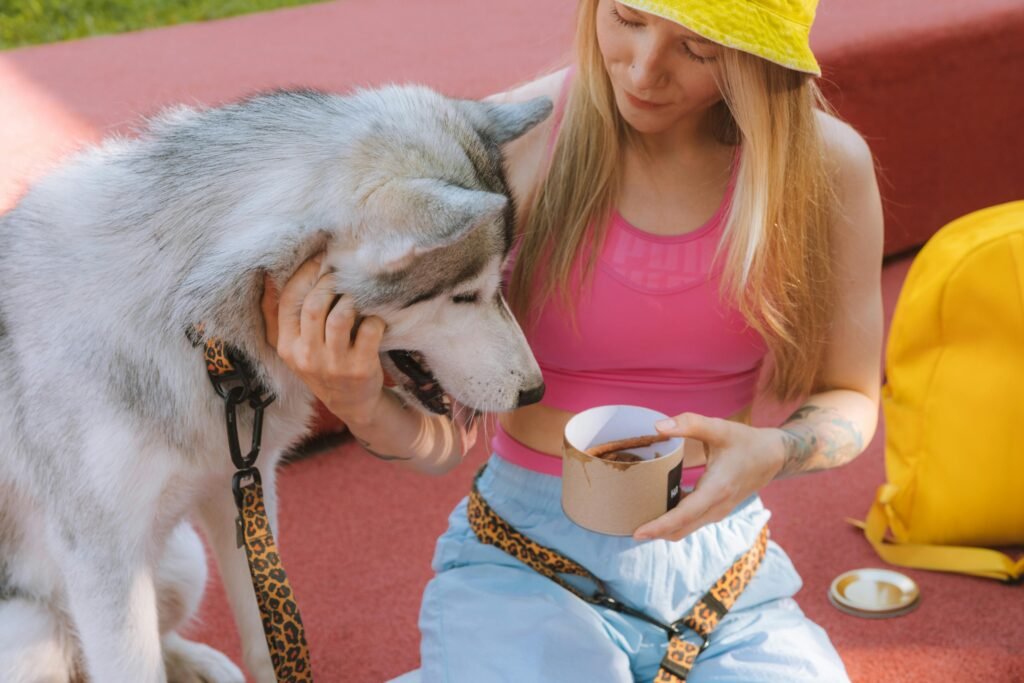

Your dog skipped breakfast. Then dinner. Now it’s been over a day, and you’re staring at an untouched bowl wondering: How long is too long? Should I call the vet?
You’re not overreacting — this is one of the most important questions every dog owner needs to know the answer to. And the answer isn’t as simple as a number. It depends on your dog’s age, breed, size, and health status.
This guide covers everything: from the biology of canine fasting to breed-specific risks, warning signs, vet-backed tips to get your dog eating again, and an emergency preparedness checklist. Save it, bookmark it, share it — this is the only dog food guide you’ll ever need.

The Short Answer: How Long Can a Dog Go Without Food?
A healthy adult dog can survive approximately 3–5 days without food, provided they are still drinking water. However, surviving and thriving are very different things — and the risks compound quickly after 48 hours.
Here’s a quick-reference breakdown by dog type:
| Dog Type | Safe Window Without Food |
|---|---|
| Healthy adult dog | Up to 3–5 days (with water) |
| Small breeds (Yorkie, Chihuahua, etc.) | 2–3 days max |
| Puppies (under 6 months) | No more than 12–24 hours |
| Senior dogs | 24 hours max before concern |
| Sick or underweight dogs | May deteriorate in under 24 hours |
| Diabetic dogs | Potentially dangerous within hours |
⚠️ Rule of thumb: If your dog hasn’t eaten in 48 hours, call your vet — regardless of age or breed.
Why Water Matters More Than Food
Here’s something many dog owners don’t realize: dehydration is more dangerous than hunger.
A dog can lose consciousness from dehydration in as little as 24 hours in warm conditions. Without water, organs begin to fail rapidly. Without food, the body switches to burning fat reserves first, then muscle — a much slower decline.
Bottom line: If your dog isn’t eating and isn’t drinking, that’s a same-day emergency. Don’t wait.
What Happens Inside Your Dog’s Body During Fasting
Understanding the biology helps you make smarter decisions.
0–24 hours: The body uses glycogen (stored sugar) from the liver for energy. Your dog may seem fine — maybe even their usual self.
24–48 hours: Glycogen runs out. The body shifts into ketosis, burning fat reserves. Mild weakness may begin. Smaller dogs and puppies can hit dangerous low blood sugar (hypoglycemia) in this window.
48–72 hours: Fat reserves begin to deplete. The body starts breaking down muscle protein for fuel. This is when serious damage begins. Weakness, lethargy, and organ stress become real risks.
Beyond 5 days: Organ failure becomes a genuine risk. Damage may be irreversible. This is a life-threatening emergency.
Breed & Size Matters: Know Your Dog’s Risk Level
Not all dogs face the same risks during fasting. Here’s what to know by type:
Small Breeds (Under 20 lbs)
Yorkies, Chihuahuas, Pomeranians, and Dachshunds have fast metabolisms and minimal fat reserves. They can develop hypoglycemia (dangerously low blood sugar) within 12–24 hours. Signs include shaking, weakness, and disorientation. If you see these, rub a little honey or corn syrup on their gums and get to a vet immediately.
Puppies (Under 6 Months)
Puppies are perhaps the most vulnerable of all. Their bodies are not yet capable of regulating blood sugar well, and they can crash quickly. Never let a puppy go more than 12 hours without food.
Senior Dogs
Older dogs often have underlying conditions — kidney disease, dental pain, slower metabolism — that make fasting riskier. If your senior dog skips more than one meal, treat it as a vet visit.
Large & Giant Breeds
Great Danes, Mastiffs, and Saint Bernards have larger fat reserves but are also prone to bloat (GDV), a life-threatening stomach condition linked to irregular eating patterns. Maintain consistent feeding schedules with large breeds.
Diabetic Dogs
A diabetic dog that doesn’t eat faces a risk of dangerous blood sugar crashes — especially if on insulin. If your diabetic dog skips a meal, contact your vet immediately before giving any medication.
10 Reasons Your Dog May Have Stopped Eating
Before you can fix the problem, you need to find the cause. Here are the most common:
1. Illness or Infection — Loss of appetite is often the first symptom of something deeper: gastrointestinal disease, kidney issues, parvovirus, pancreatitis, or more serious conditions like cancer.
2. Dental Pain — Broken teeth, abscesses, or gum disease can make chewing excruciating. Inspect your dog’s mouth for swelling, bad odor, or reluctance to chew.
3. Stress or Anxiety — Moving homes, a new baby, fireworks, a new pet, or changes in routine can shut down appetite temporarily. Usually resolves within a day or two once the stressor is removed.
4. Dietary Change — Switching foods too suddenly can cause digestive upset and food refusal. Always transition over 7–10 days by gradually mixing old and new food.
5. Medications — Many common medications list appetite suppression as a side effect. Review any recent prescriptions with your vet.
6. Recent Vaccinations — A mild, temporary loss of appetite after vaccines is normal and usually resolves within 24 hours.
7. Behavioral Picky Eating — Some dogs have learned to hold out for tastier food. If your dog gets table scraps regularly, they may be staging a protest.
8. Age-Related Changes — Senior dogs often experience diminished senses of smell and taste, plus slower digestion, reducing their interest in food.
9. Internal Parasites — Worms and other parasites can suppress appetite. Regular deworming is essential.
10. Post-Surgery Recovery — Anesthesia commonly causes nausea. A dog not eating the evening after surgery is usually normal; more than 24 hours post-op is worth a call to your vet.
Warning Signs: When to Call the Vet Right Now
Don’t wait out these symptoms in hopes they pass:
- 🚨 No food or water for more than 24 hours
- 🚨 Vomiting or diarrhea alongside not eating
- 🚨 Swollen or painful-looking abdomen
- 🚨 Extreme lethargy — won’t get up, barely responsive
- 🚨 Shaking, seizure-like trembling (hypoglycemia)
- 🚨 Visible rapid weight loss
- 🚨 Dry, tacky gums (sign of serious dehydration)
- 🚨 Disorientation or wobbly gait
- 🚨 Puppy that hasn’t eaten in 12 hours
Check for dehydration at home: Gently pinch the skin at the back of your dog’s neck. It should snap back instantly. If it stays “tented” for a second or more, your dog is dehydrated.
How to Get Your Dog Eating Again: 10 Vet-Backed Tips
If your dog has been cleared medically or is experiencing mild appetite loss, try these approaches:
- Warm the food slightly — Heating food to just below body temperature enhances aroma, making it far more appealing to dogs.
- Add low-sodium chicken or beef broth — A little poured over dry kibble can be irresistible.
- Try hand feeding — Offering a few pieces by hand builds trust and encouragement, especially for anxious dogs.
- Switch protein sources temporarily — Plain boiled chicken, white rice, or scrambled eggs can tempt a reluctant eater.
- Move the food bowl — Sometimes location is the issue. Try a quiet, calm corner away from household traffic.
- Feed smaller meals more frequently — Instead of two large meals, offer four small ones to reduce the pressure.
- Exercise before meals — A walk before mealtime stimulates digestion and can awaken appetite naturally.
- Eliminate food competition — If you have multiple pets, try feeding your dog alone in a separate room.
- Stick to a strict schedule — Routine feeding times help regulate hunger hormones. Don’t leave food out all day.
- Never force feed or beg — This can create negative associations with eating. Offer, wait 15–20 minutes, remove the bowl, and try again later.
Your Dog’s Nutritional Needs: The Foundation of Lifelong Health
The best way to prevent appetite problems is to truly understand what your dog needs daily.
Protein is the cornerstone of canine health — it builds and repairs muscle, skin, and fur. Quality sources include meat, poultry, fish, and eggs. Look for named meat sources (chicken, beef, salmon) as the first ingredient on any dog food label.
Healthy fats from sources like fish oil, chicken fat, and flaxseed support brain function, a glossy coat, and sustained energy. Don’t fear fat in a dog’s diet — the right fats are essential.
Complex carbohydrates from whole grains, sweet potatoes, and vegetables provide steady energy without sugar spikes. Avoid cheap fillers like corn syrup or artificial preservatives.
Vitamins and minerals — a well-balanced commercial dog food or a vet-designed raw/home-cooked diet should cover all bases. Key players include calcium (bones), phosphorus (metabolism), and Vitamin D (immune function).
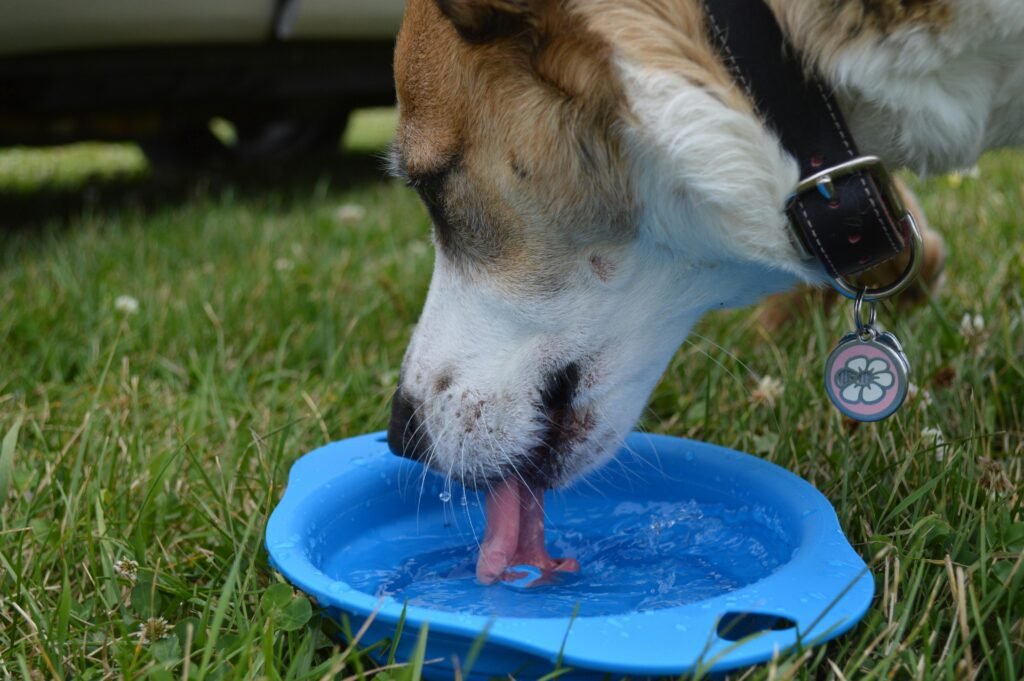
Fresh water, always — This is non-negotiable. Change your dog’s water at least once daily, and wash the bowl regularly.
How to Establish a Feeding Routine That Lasts a Lifetime
Consistency is the single greatest gift you can give your dog’s digestive health.
- Feed at the same times every day — dogs thrive on predictability
- Use a measured portion based on your dog’s weight and activity level (consult your vet or the food’s feeding guide)
- Avoid free-feeding (leaving food out all day) — it makes appetite changes hard to track
- Weigh your dog monthly — gradual weight loss is easy to miss day-to-day
- Schedule annual vet wellness exams — many appetite-related conditions are caught early this way
- Keep a simple food diary — note what you feed, portion size, and whether it was eaten. This is gold information for your vet.
Emergency Preparedness: Never Be Caught Unprepared
Whether it’s a natural disaster, illness, or travel, smart dog owners plan ahead.
- Keep a 2-week supply of your dog’s food in sealed, airtight storage
- Store bottled water specifically for your pet — at least 1 oz per pound of body weight per day
- Keep your vet’s number and an emergency animal clinic number saved in your phone
- Know the location of the nearest 24-hour veterinary emergency hospital
- If traveling, bring familiar food from home — travel stress + new food = recipe for appetite shutdown
Frequently Asked Questions
Q: Is it normal for my dog to skip a meal occasionally? Yes, occasionally. Dogs may skip a meal due to heat, stress, or minor stomach upset. One missed meal in an otherwise healthy, active dog is rarely cause for alarm. Two or more in a row — investigate.
Q: Can I fast my dog intentionally? Some vets recommend brief fasting (12–24 hours) for dogs with mild digestive upset. This should only be done under veterinary guidance and never for puppies, seniors, or sick dogs.
Q: My dog is eating grass — should I be worried? Not necessarily. Grass eating is common and may help settle an upset stomach. If your dog is eating large quantities of grass and vomiting repeatedly, that warrants a vet visit.
Q: What’s the best food to offer a dog that won’t eat? Start bland: boiled, boneless, skinless chicken breast mixed with plain white rice. This is gentle on the stomach and highly palatable. Gradually reintroduce regular food once appetite returns.
Q: How do I know if my dog is a healthy weight? You should be able to feel your dog’s ribs without pressing hard, but not see them. From above, a healthy dog should have a visible waist tuck. If ribs are invisible under fat, or bones are protruding, consult your vet.
Q: Can dehydration cause my dog to stop eating? Absolutely. Dehydration suppresses appetite and energy. If your dog won’t eat, always check that they’re drinking normally first.
The Bottom Line
Your dog’s eating habits are one of the clearest windows into their overall health. A dog that consistently eats well, maintains a healthy weight, and has regular energy levels is a dog that’s thriving.
Know your dog’s normal. Any meaningful change in appetite that lasts more than 48 hours deserves a conversation with your vet — not a wait-and-see approach. The earlier a problem is caught, the easier it is to treat.
You know your dog better than anyone. Trust that instinct, stay observant, and never hesitate to make that vet call. They’d rather hear from you than not.
Have a question not covered here? Drop it in the comments — or consult your veterinarian for advice tailored to your specific dog.