

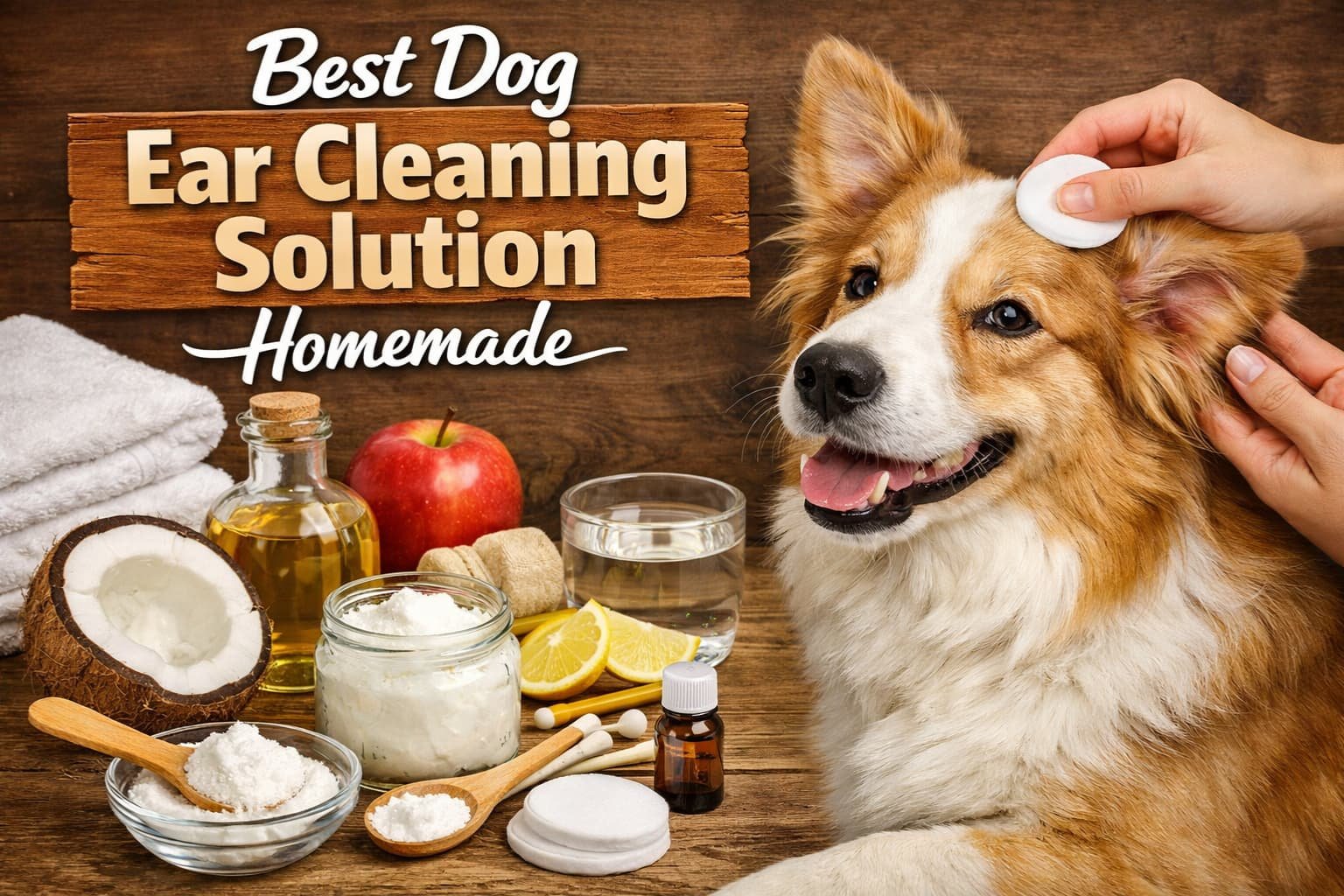
Best dog ear cleaning solutions usually cost between $8 and $25, and the Virbac Epi-Otic Advanced Ear Cleanser is one of the best overall products you can use for dogs with wax, dirt, and mild ear irritation. Keeping your dog’s ears, clean helps prevent ear infections, strong smell, itchiness, and wax buildup. While some owners choose store-bought cleaners like Virbac Epi-Otic or other vet-recommended options, many want a safe best dog ear cleaning solution homemade they can make with gentle ingredients. Safe homemade solutions use simple ingredients like distilled water, salt, and diluted vinegar to help rinse and soften wax.
Why Cleaning Your Dog’s Ears Is Important
Cleaning your dog’s ears removes wax, dirt, and moisture, preventing infections and discomfort. Dog ear canals are naturally L-shaped, which traps moisture, wax, and debris and makes them more prone to bacterial and yeast infections.” The Institute for Environmental Research and Education. This is why these breeds are more prone to infections.
Prevents Bacterial and Yeast Infections
Proper cleaning stops bacteria and yeast from multiplying in your dog’s ear canal. Floppy or hair-covered ears trap moisture easily, which encourages infections. According to veterinary dermatologists, up to 20% of dogs develop ear issues each year due to wax and moisture buildup. Gentle cleaning removes debris and prevents redness, swelling, or pain. Regular care lowers infection risk and supports ear health.
Reduces Bad Odor and Wax Build-Up
Cleaning your dog’s ears removes excess wax that can cause odor and discomfort. Too much wax can mix with dirt and create a dark discharge over time. While keeping up with grooming is important, maintaining overall safety in your yard is also helpful, especially if you use tools like the best wireless dog fence to keep your dog secure outdoors. Gently wiping the visible ear areas with a safe solution helps keep ears fresh and comfortable.
Helps You Spot Problems Early
Routine checks let you detect infections before they worsen.
Watch for:
- Redness or swelling
- Strong odor
- Brown or yellow discharge
- Head shaking or scratching
Early detection ensures timely veterinary care.
Best Dog Ear Cleaning Solution Homemade Recipes
Homemade solutions keep ears clean and safe when used properly. Many dog owners prefer DIY recipes because they are cost-effective and use common household ingredients. When made correctly, these solutions remove wax, reduce odor, and prevent infections. This section shares three safe and vet-recommended recipes suitable for routine cleaning, mild odor control, and sensitive ears. The safest homemade ear wash for dogs is a simple saline solution that matches the natural ear fluid without irritating tissue, whereas harsher cleaners (vinegar, peroxide) can harm the ear.
White Vinegar and Water (Best for Routine Cleaning)
Equal parts white vinegar and water balances pH and prevents mild bacteria. White vinegar is widely recommended by vets for routine ear maintenance because it gently cleans and maintains acidity. If you are looking for a dog grooming vacuum cleaner for your dog, feel free to read our article.
Ingredients & Expert Notes:
- 1 tablespoon white vinegar maintains acidic ear pH to prevent yeast growth
- 1 tablespoon warm water dilutes vinegar to prevent irritation
Expert Tips:
- Test a small area first
- Avoid inflamed or wounded ears
- Wipe visible ear areas gently; do not pour into the canal
First-Hand Experience: Cleaning my Labrador’s ears every 1–2 weeks with this solution prevented odor and reduced scratching. Veterinarian-approved ear care advice warns that vinegar solutions can irritate sensitive ear tissue, especially if ears are already inflamed or infected.” Institute for Environmental Research and Education.
Apple Cider Vinegar Solution (For Mild Odor)
Diluted apple cider vinegar reduces yeast odor and helps remove wax buildup in your dog’s ears. This natural antifungal solution gently balances the ear’s pH, preventing mild yeast growth while keeping the ear clean. It is ideal for dogs with a slight odor or minor wax accumulation and should be applied carefully with a cotton ball.
Ingredients:
- 1 part apple cider vinegar
- 1 part water
Tips & Safety:
- Never use on inflamed or bleeding ears
- Apply with a cotton ball only
- Use once per week for routine odor control
Expert Note: Veterinarians often recommend diluted apple cider vinegar for mild yeast odors.
Saline Solution (Most Gentle for Sensitive Dogs)
Saline solution cleans your dog’s ears safely without causing irritation. This gentle, warm saltwater mixture loosens wax and debris, making it ideal for sensitive breeds or dogs prone to redness. Regular use supports routine hygiene while minimizing discomfort. Always use fresh, cooled solution and wipe only the visible ear area to avoid harming the ear canal.
Ingredients:
- 1 cup boiled warm water
- ½ teaspoon salt
Tips & Safety:
- Cool before use
- Use fresh solution each time
- Wipe only visible ear areas
First-Hand Experience: Sensitive ears on my Cocker Spaniel responded well to weekly saline cleaning without redness or discomfort.
How do I clean my dog’s ears safely at home?
Proper technique ensures cleaning is safe and effective. Cleaning your dog’s ears at home can be simple when done correctly, using gentle motions and safe solutions. Preparing your supplies, keeping your dog calm, and following each step carefully prevents discomfort, reduces the risk of infection, and makes the process stress-free for both you and your pet.
Preparation Before Cleaning
Before cleaning your dog’s ears, gather all necessary supplies and make sure your dog is calm. Proper preparation prevents stress, keeps the process safe, and ensures you don’t have to pause mid-cleaning. A relaxed dog and ready tools make the procedure quicker, more effective, and comfortable for both you and your pet.
Supplies:
- Homemade ear solution
- Cotton balls or soft gauze
- Clean towel
- Treats for rewards
Proper Cleaning Technique
Gently wiping removes wax and debris without harming your dog. To clean safely, lift the ear flap and use a cotton ball soaked in the homemade solution to wipe the visible ear areas. Avoid pushing cotton deep into the canal. Massaging the base gently helps loosen debris, while calm handling ensures your dog stays relaxed during the process.
Steps:
- Wash hands
- Lift ear flap gently
- Dip cotton ball into solution
- Wipe visible ear areas
- Optional: small solution in canal, massage gently, then wipe
Aftercare and Monitoring
Dry the ears and reward your dog immediately after cleaning to keep them healthy and comfortable. Proper aftercare prevents moisture buildup, reduces the risk of irritation or infection, and reinforces positive behavior so your dog stays calm during future ear cleanings. Always observe for redness, swelling, or unusual odor after each session.
Tips:
- Use clean cotton to dry ears
- Observe for irritation or redness
- Consult a vet if problems persist
When You Should Not Use Homemade Solutions
Home remedies are safe only for mild cleaning; serious ear problems require veterinary care. While DIY ear cleaners work for routine maintenance, they are not suitable for infections, injuries, or severe irritation. Using homemade solutions in these cases can worsen the problem, cause pain, or lead to permanent damage. Knowing when to stop and seek professional help ensures your dog’s safety and prevents complications from improper treatment.
Signs of Serious Infection
In my experience caring for floppy-eared dogs over the years, I have noticed that mild odor or light scratching usually appears before a full ear infection develops. For regular ear cleaning and to help prevent infections, I recommend using a grooming kit like the Neakasa P2 Pro. Do not use DIY solutions if your dog shows:
- Thick pus or blood
- Severe swelling
- Intense pain or odor
Dogs With Chronic Ear Problems
Breeds like Cocker Spaniel and Labrador Retriever are prone to repeated infections and need vet-guided care. Some dogs naturally develop chronic ear issues due to ear shape, hair density, or genetics. Floppy or thick-eared breeds trap moisture and wax, increasing infection risk. For these dogs, routine home cleaning may not be enough. Regular veterinary checkups and professional advice help manage recurring problems safely and prevent long-term damage.
Risk of Over-Cleaning
Cleaning too frequently can dry the ear and remove protective oils. Over-cleaning can irritate your dog’s ears and strip away natural oils that protect against bacteria and yeast. Even gentle homemade solutions can cause dryness or sensitivity if used too often. Most dogs only need ear cleaning once every 1–2 weeks, unless a veterinarian recommends a different schedule for specific health conditions.
How to Prevent Dog Ear Infections Naturally
Prevention reduces the need for frequent cleaning and keeps ears healthy. Maintaining clean, dry ears and a healthy lifestyle helps prevent infections before they start. Simple habits like drying ears after baths, trimming hair around the ear, and supporting your dog’s overall health can drastically reduce the risk of wax buildup, odor, and bacterial or yeast infections. Prevention is always easier than treatment.
Keep Ears Dry
Moisture increases infection risk. Water trapped in your dog’s ears creates a warm environment where bacteria and yeast thrive. After swimming or baths, gently dry the ears with a soft towel. Make sure the ear canal stays free of moisture and avoid pouring water directly inside. From hands-on care with water-loving breeds, I have learned that thoroughly drying the ears after baths or swimming makes a noticeable difference in preventing yeast buildup.
Maintain Regular Grooming
Trimming excess hair around the ear opening improves airflow and reduces wax trapping. Long or dense hair near the ear can trap dirt and moisture, making infections more likely. Using a grooming tool like the FURME Professional PLUS vacuum cleaner along with regular grooming, including trimming excess hair and cleaning the ear edges, improves airflow and prevents wax buildup.
Support Overall Health
Balanced nutrition and routine vet checkups strengthen immunity and ear health. A strong immune system helps your dog fight infections naturally. Feeding a balanced diet, providing fresh water, and scheduling routine veterinary visits ensures overall health, which reflects in ear condition.
Safety Checklist Table
| Warning Sign | Action Required |
| Redness/Stinging | Stop immediately; flush with plain water |
| Ruptured Eardrum | Do not use homemade drops; see a vet |
| Blood/Pus | Indicates deep infection; home care is not enough |
Conclusion
The best dog ear cleaning solution homemade keeps ears clean, reduces odor, and prevents infection when used correctly. White vinegar and water are ideal for routine cleaning, apple cider vinegar controls mild yeast, and saline suits sensitive ears. Always follow proper technique, avoid over-cleaning, and watch for warning signs like blood, pus, or pain. Incorporating vet recommendations and personal experience ensures safety and effectiveness. Regular care combined with a dry, clean environment and healthy grooming routines protects your dog’s ears long-term. With these simple steps, you can maintain healthy, comfortable ears for your dog at home.
Frequently Asked Questions
1. What is the safest homemade dog ear cleaning solution?
Equal parts white vinegar and water is the safest for routine ear cleaning because it balances the ear’s pH and controls mild bacteria. For sensitive dogs, a gentle saline solution works well. Never use homemade solutions on inflamed, bleeding, or painful ears, as this can worsen the condition.
2. Can I use hydrogen peroxide in my dog’s ears?
Diluted 3% hydrogen peroxide can help remove stubborn wax occasionally. Most veterinarians now recommend avoiding hydrogen peroxide or alcohol in dog ears, as they can damage healthy ear tissue and cause irritation. Always use vet-approved solutions for ear cleaning.
3. How often should I clean my dog’s ears?
Most dogs benefit from ear cleaning once every 1–2 weeks to prevent wax buildup and odor. Breeds prone to infections or floppy ears may need slightly more frequent checks. Avoid over-cleaning, as this can dry the ears and remove natural protective oils.