

A regular trip to the vet is a necessary measure in maintaining your dog’s health and welfare. They enable timely vaccinations, early detection of diseases, prevention, and monitoring of dental issues. This comprehensive guide will look at why vets are important, what to expect from a visit and how you find a good one for your best friend.
For a loving dog owner like you, nothing beats seeing that your pet is happy, healthy and has lived long enough. Regular visits to the vet are very essential in this process. Rather than ensuring that your pet is vaccinated on time only, these visits also allow you to identify potential health problems early enough. When you understand why regular veterinary care is so important, it’s much easier to provide optimal care for your four-legged companion.
Preventive Care for Dogs
Preventative health care approach means being proactive always in managing the health of your dog. It involves routine check-ups with veterinarians and administering vaccines promptly as well as controlling parasites and managing lifestyle diseases for preventing avoidable illnesses.
Routine Health Screenings
At each prescription visit by the veterinarian there are several wellness checks done on dogs in general so as to assess their general fitness levels including but not limited to:
- Physical Examination: the vet palpates various areas to detect abnormalities in the organs, tissues and examines the dog’s body for any signs of health issues such as lumps, skin problems and symptoms of pain.
- Blood Tests: These help evaluate organ function and detect diseases such as anemia, infections, and metabolic disorders. Regular blood work helps in establishing a baseline for your dog’s normal health parameters.
- Urinalysis: This test is used to assess kidney function and detect urinary tract infections, diabetes or other metabolic diseases. It is a quick test that gives valuable information about your dog’s internal health.
Vaccination Schedules
Vaccinating your pet against infectious diseases is essential. The vaccination schedule usually includes:
- Core Vaccines: These are necessary vaccines like rabies that all dogs need as they cause severe illnesses such as distemper.
- Non-Core Vaccines: They are optional vaccines based on lifestyle and risk; for instance Lyme disease or Bordetella (kennel cough). You should receive these vaccines if you have dogs living environment around water bodies, other animals or traveling them frequently.
Learn about vaccination schedules in this detailed guide available on Amazon!

Parasite Control
Regular vet check-ups encompass parasite prevention and control. Some common parasites affecting dogs include fleas, ticks, worms. Preventive treatments can be:
- Topical Applications: Monthly treatments applied to the skin to prevent fleas and ticks. They are easy to use and work well for most dogs.
- Oral Medications: Pills or chewables that prevent heartworm and other parasites. Often they provide inclusive protection and are user-friendly for many pet owners.
Diet and Nutrition
Your dog needs a balanced diet for its health. Vets can give you individualized dietary advice based on your dog’s age, breed, and medical condition. Good nutrition helps in growth, weight control as well as preventing nutrition-related diseases.
- Puppy Nutrition: Focusing on growing bodies.
- Adult Dog Nutrition: Maintain a healthy weight and energy levels. What adult dogs need is a balanced diet that has all nutrients essential but no excess calories.
- Senior Dog Nutrition: Adjustments for age-related changes. Old-aged canines may require lesser amounts of calories and certain nutrients which will support joint health while addressing issues related to chronic illnesses.
Find top-rated dog food and nutritional supplements on Amazon!

Exercise and Lifestyle Recommendations
Preventive care also involves guiding you about exercising your dog in order to keep it fit. Regular physical activity helps maintain weight, supports cardiovascular health, as well as keeps behavioral problems low.
- Exercise Plans: These are customized to take into account the ages, breeds, and health of your dogs. For instance, a young Border Collie may need more intense physical exercise than an old Bulldog.
- Mental Stimulation: These are activities that help keep your dog’s mind sharp. Puzzles and interactive games will prevent them from becoming bored or destructive.
Explore a variety of dog exercise and enrichment toys on Amazon!

Early Detection of Health Issues
This is important for proper treatment and management since regular check-ups enable early detection of diseases. The prognosis for many ill patients can be significantly improved by early intervention.
Common Health Problems in Dogs
Some early detectable health issues include but not limited to:
- Dental Disease: This is common among older dogs and dental care can help manage it. Consequently, this helps in preventing tooth loss as well as systemic infections.
- Arthritis: Early intervention goes a long way in pain relief as well as improved mobility. Such interventions comprise supplements, drugs and exercise therapies.
- Diabetes: Managing diabetes involves dietary changes, regular monitoring, and sometimes insulin therapy.
Explore vet-approved diagnostic tools for home use on Amazon!
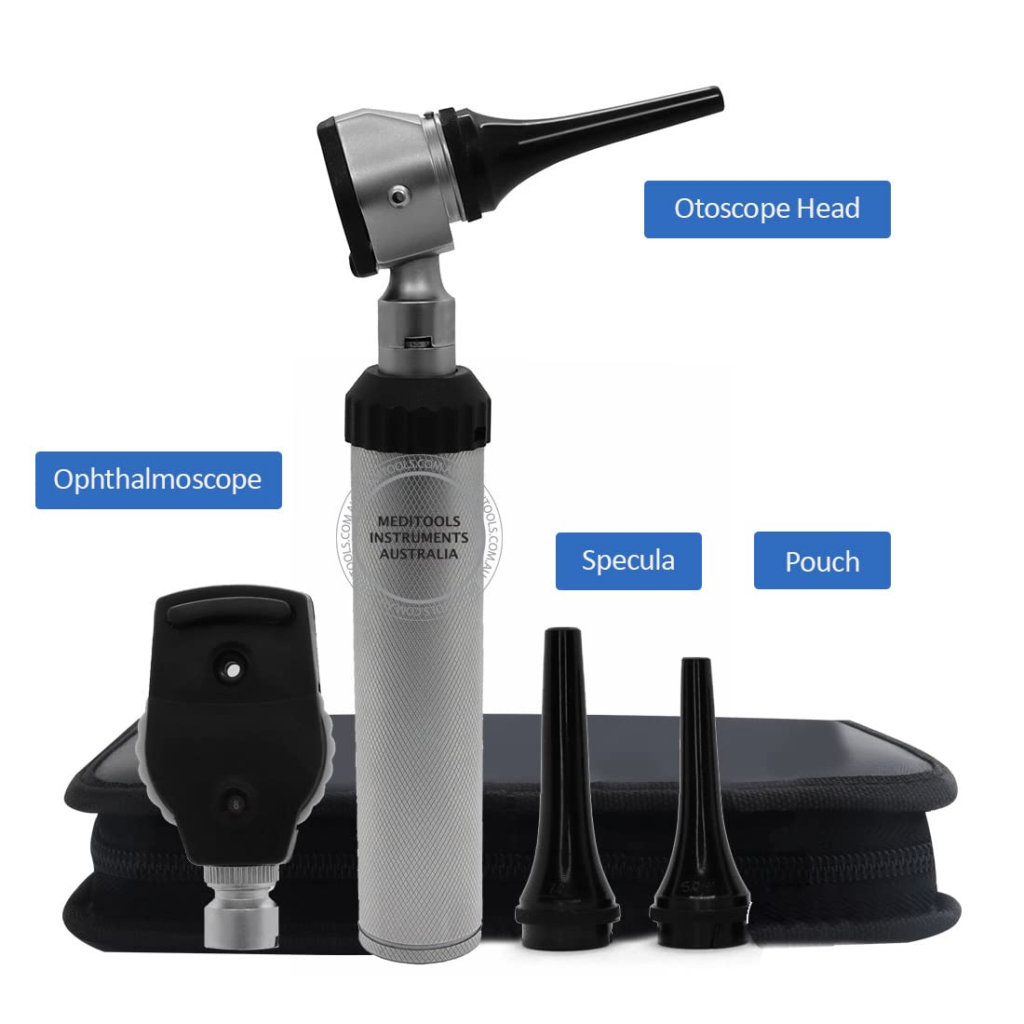
Diagnostic Tools
There are various diagnostic tools which veterinarians use to detect health issues at the initial stages:
- X-Rays: They serve as devices for examining bones alongside internal organs; these include both fracture diagnosis and tumor diagnosis inside the body.
- For detailed images of interior structures: ultrasound. This also helps while diagnosing fluid accumulations, being able to tell the heart’s condition, kidneys and liver.
- Blood Work: Infections or general diseases are identified through blood work. This is done by screening blood samples for electrolyte, enzyme and cell abnormality to determine underlying cause of ill health.
Behavior Changes
Changes in behavior can be an early sign that all is not well with your pet’s health. For instance, when you go for check-ups with your vet always mention any strange behavior such as:
- Lethargy: Possible indicator of disease or pain. Sudden changes in energy levels warrant further investigation.
- Appetite Changes: May indicate a problem with digestion or teeth. Increased and decreased appetite can both be signs of other ailments.
- Excessive Thirst: Could be a sign that the dog has diabetes or kidney problems. Such changes in drinking pattern may facilitate early testing and intervention.
Importance of Dental Check-Ups
Dental health is essential for maintaining your dog’s overall health status. Regular dental check-ups help prevent periodontal disease which if not treated can cause serious illness. Poor oral hygiene impacts on general wellbeing including heart and kidney functioning.
Signs of Dental Problems
Signs of dental problems include:
- Bad Breath: Often signifies presence of plaque or infection, thus a continuous stinking mouth indicates that it should be checked by a veterinarian for necessary medication to be offered.
- Inflamed Gums: An indication of gingivitis or periodontal disease. Red, swollen, or bleeding gums require professional attention.
- Having Trouble Eating: This could indicate pain or dental damage. Refusing hard foods or favoring one side of the mouth might be signs of dental problems.
Dental Care Routine
A good regular oral hygiene program contains:
- Regular Brushing: Use toothpaste and brushes made specifically for dogs. Regular brushing helps to prevent plaque build-up and keep their oral health in check.
- Dental Chews: Help reduce plaque and tartar. Chews will provide a mechanical cleaning action that can supplement brushing.
- Professional Cleanings: Done by a vet to clean and examine teeth completely. Professional cleanings may involve scaling and polishing to remove tartar as well as stop periodontal disease.
Shop for dog dental care products on Amazon to maintain your dog’s oral health!

Benefits of Dental Health
Your dog’s oral health is improved by:
- Preventing Pain: Cuts down on the chance of painful dental diseases. Oral hygiene prevents discomfort thereby avoiding loss of teeth.
- Better Overall Health: Assists in blocking infection from reaching other organs through blood stream thanks to better dental care. General systemic wellness is supported by proper oral health practices.
- Improving Quality of Life: Enables your dog to eat comfortably thus making it live a better life quality wise. Happiness and activeness are promoted by healthy gum together with teeth within a pet’s mouth.
What to Expect During a Vet Check-Up
If you understand what happens in a vet check-up, you will relieve both yourself and your dog of any anxiety. Knowing the program can make visits go more smoothly and be more productive.
Initial Examination
A typical check-up starts with an initial examination:
- Reviewing the History: Your dog’s health history and any current issues are discussed. Diet, behavior, and any changes that have been made recently may be some of the questions asked by the doctor.
- Physical Examination: The vet might also examine the entire body of your dog including weight, its coat condition, and palpate its abdomen. Additionally, he/she looks out for eye problems; ears problems as well as mouth or dental issues.
Specific Tests and Procedures
Specific tests or procedures could involve depending on how old or healthy your dog is:
- Vaccines: Administration of required shots. Because of the new guidelines your vet may need to recommend boosters or additional vaccines.
- Blood Tests: Where infections or other conditions are checked by blood scan testings. They provide valuable information about a dog’s internal systems helping to identify diseases at earlier stages.
- Urine Tests: For kidney function monitoring and infection detection. Urinalysis is an easy but effective way to diagnose metabolic and urinary tract disorders.
Discussion of Findings
The vet will discuss their findings, along with any necessary treatment or lifestyle changes after the examination and tests. During this time, you can ask questions to get clarity on how best to proceed for your dog’s health.
Stay informed with books on dog health care available on Amazon!

Follow-Up Care
Depending on what is found during the check-up, follow-up visits or further testing may be suggested by the vet. Regular visits are important in order to constantly monitor and manage your dog’s health.
- Monitoring Chronic Conditions: For example diabetes or heart disease that are chronic illnesses that dogs suffer from require regular attention. Follow-ups assist in modifying treatments and controlling symptoms effectively.
- Behavioral Consultations: In case of behavioral problems exhibited by dogs, the vet may suggest behavior modification techniques or refer you to a specialist.
Find books and resources on managing chronic conditions in dogs on Amazon!

Tips for Finding a Good Vet
Your dog’s health depends on making right choices when it comes to a veterinarian. The following tips will help you to find a good vet:
Research and Recommendations
- Ask for Recommendations: Friends, family members or local pet groups could give you some ideas on where to start looking for a good clinic. This will help you judge the kind of service they offer based on people’s experiences.
- Read Reviews: Read reviews about different vets online so as to know whether they provide quality services . You will also come across comments concerning physicians’ level of professionalism, communication skills and places where they work.
Visit the Clinic
- Tour the Facility: To assess if the clinic is clean enough and other amenities inside. A well-maintained clinic with modern equipment indicates a high standard of care.
- Meet the Staff: Friendly and knowledgeable staff. Courteous and well-informed staff can make vet visits more pleasant and efficient.
Consider the Location
- Proximity: Choose a clinic that is convenient to reach, particularly in emergencies. Making sure that there is a proximity at times when health emergency may require immediate healthcare access service.
- Services Offered: Ensure they offer the services your dog may need, such as advanced diagnostics, surgery, or specialized care.
Evaluate Communication
- Open Communication: A good vet communicates openly about your dog’s health and treatment options. It is important for veterinary doctors to give clear explanations and be prepared to answer questions so as they can help owners make informed decisions on health matters concerning their pets.
- Follow-Up: A reliable vet provides follow-up care and checks in on your dog’s progress. Well established practices of following up with clients assists in monitoring progress and adjusting care plans accordingly.
Discover essential vet care books and resources on Amazon!

Regular vet check-ups are vital for maintaining your dog’s health and well-being; preventive measures such as timely vaccinations, early detection of diseases in addition to proper dental care go towards keeping dogs healthy and happy all their life long. Always find a good veterinarian, stay updated on what’s happening with your pet’s’ wellness needs, also ensure you have regular checkups planned for them.
By prioritizing regular veterinary visits, you provide your dog with the best possible chance of a long, healthy, and joyful life.
Ensure your dog’s health with the best vet care books and health monitoring tools from Amazon!

Additional Insights
How to Make Vet Visits Less Stressful
Vet visits are tough on both you and your pooch. Below are some tips to make it easier.
- Familiarity: Take your dog to the veterinary office when there would be no procedures done in order to familiarize him/her with the place.
- Good deeds: Use treats and compliments as they help build up good memories about vet visitations.
- Secure things: Bring your dog’s favorite toy or blanket so that he can feel comfortable during a medical appointment.
Preparing for the Vet Visit
Preparation can help ensure a smooth vet visit:
- Write down questions: Prepare a list of questions or concerns you want to discuss with the vet.
- Medical Records: Carry any previous records or documents from appointments at other veterinarians’
- Food Information: Indicate what type of food your dog eats, including its brand name and quantity.
Explore dog behavior and training books on Amazon to make vet visits stress-free!

FAQs
How often should I take my dog to the vet for check-ups?
Generally, dogs should see their veterinarian at least once per year for routine check-ups. Nonetheless, puppies, seniors and those having health problems may need more frequent meetings.
What should I bring to a vet check-up?
Take with you the medical records of your dog, a list of medications that have been given recently and any changes in its behavior or health. This information is very important because it helps the vet in giving the best care.
Can I perform any of the check-ups at home?
It is however crucial to make regular veterinarian visits as they are the only ones who are able to perform professional evaluations and extensive care for your dog. Home checks can’t replace professional assessments but only supplement vet visits.
How can I monitor my dog’s health between vet visits?
You should therefore regularly observe your dog’s behavior, appetite and physical condition. Among such monitoring devices include thermometers and weight scales which help you keep track of some vital parameters.
Through maintaining regular vet visits, you will be able to take charge of your dog’s health proactively, identify any underlying issues earlier and ensure that it remains happy and healthy for years to come.