

Picking the right dog food is essential to your pet’s welfare. Nevertheless, there are too many choices on the market which makes it overwhelming to select. One of the best ways of making an informed decision is through understanding dog food labels. This guide will take you through the maze of dog food ingredients, common additives and marketing terms that often leave consumers confused over what to buy. By the end, you will know how to read labels, identify harmful additives and choose the best food for your dog.
Dog food labels have a lot of information on them that can be puzzling for pet owners to figure out. Each element from ingredient lists to nutrition facts plays an important role in determining quality of food. In this article we are going to break down some major parts of canine nutrition label including ingredients, nutrients and so forth with knowledge that would help you make well-informed decisions while buying it first time or when switching from one brand another as well as learning about these labels is important.
Nutritional Information
Guaranteed Analysis
The minimum percentages of crude protein and fat are given in the guaranteed analysis section, while the maximum percentages of crude fiber and moisture are stated. This information is useful but does not tell you anything about the quality of ingredients or how much nutrients your dog will actually digest.
Key Points:
- Crude Protein: Shows the quantity of proteins and not their digestibility or quality.
- Crude Fat: Gives an approximation of fat levels but not the sources used.
- Crude Fiber: Total fiber present which is necessary for digestive health.
- Moisture: Dry versus wet food comparison by this.
Ingredient List
The list of ingredients is arranged according to weight with those that weigh more appearing first. This means that even if their amount in dry matter might be lower, meat or any other high in moisture ingredients will be ranked high. Look for foods where meat by-products or fillers do not top the list and ensure there are good sources of protein.
What to Look For:
- Named Animal Proteins: Generic terms such as “meat” or “poultry” should be replaced with names like “chicken” or “beef.”
- Whole Grains and Vegetables: Instead of processed fillers, use brown rice and sweet potatoes.
- Minimal By-Products: Don’t buy anything containing a vague name such as animal by-products because it may mean some parts of lesser value.
Nutritional Adequacy Statement
The statement indicates whether the food meets the nutritional levels that have been set by AAFCO for your dog’s life-stage (puppy, adult, senior). Foods bearing an AAFCO statement are formulated to provide a complete and balanced nutrition.
Example Statement: “This product meets the nutritional levels established by the AAFCO Dog Food Nutrient Profiles for maintenance.” (Preserved with mixed tocopherols)
Common Additives
Preservatives
Other reasons why preservatives are added in this food include; to increase its shelf-life. Instead of using synthetic ones such as BHA, BHT or ethoxyquin which have some health implications it is advisable to use natural preservatives like mixed tocopherols made from vitamin E.
Natural Preservatives:
- Mixed Tocopherols (Vitamin E)
- Ascorbic Acid (Vitamin C)
- Rosemary Extract
Synthetic Preservatives to Avoid:
- BHA (Butylated Hydroxyanisole)
- BHT (Butylated Hydroxytoluene)
- Ethoxyquin
Artificial Colors and Flavors
For dogs, artificial colors and flavors are not necessary, they can also cause allergies. Look for foods that use natural sources of flavor and avoid those with listed color additives.
Common Artificial Additives:
- FD&C Red No. 40
- FD&C Yellow No. 5
- Artificial Meat Flavor
Fillers and By-Products
Filler ingredients are used in dog food so as to reduce their nutritional value. Fillers like corn and wheat serve no purpose other than providing bulkiness since they have little nutritional benefit while by-products may contain parts of animals that cannot be consumed by humans.
Common Fillers:
- Corn
- Wheat
- Soy
By-Products to Watch For:
- Meat By-Products
- Animal Digest
- Bone Meal
Marketing Terms
“Natural” and “Organic”
These words could be confusing. “Natural” dog food should be free from any artificial ingredients or synthetic chemicals whereas “organic” must meet specific USDA standards for organic production and handling.
Understanding “Natural” Claims:
- Natural: Must only contain ingredients existing in nature.
- All-Natural: No synthetic or artificial ingredients.
Understanding “Organic” Claims:
- Organic: Must adhere to USDA organic standards, which include specified farming practices and ingredient sourcing.
- Made with Organic Ingredients: This means at least 70% of the ingredients are organic.
“Grain-Free”
Grain-free dog foods do not contain grains like corn, wheat, or soy. They often use alternative carbohydrates like sweet potatoes or legumes. While beneficial for dogs with grain allergies, grain-free diets are not necessary for all dogs.
What It Means:
- Grain-Free: It does not contain any grains but can have an alternate carbohydrate in it.
“Holistic”
The term “holistic” suggests that the food is designed to provide complete and balanced nutrition and support overall well-being. However, there are no regulatory standards for the term, so it should be considered with caution.
Interpreting “Holistic” Claims:
- Holistic: It implies whole body wellness without stringent guidelines in place.
How to Read Dog Food Labels
Start with the Ingredient List
The ingredient list is your first stop when evaluating dog food. Ingredients are listed in descending order by weight. Focus on the first five ingredients, as they make up the majority of the food.
Steps to Evaluate:
- Identify the First Ingredient: Look for a named animal protein.
- Check for Fillers: Avoid foods where corn, wheat, or soy are among the top ingredients.
- Look for Whole Ingredients: Prefer foods with full and natural
Analyze the Guaranteed Analysis
An analysis that is guaranteed provides insight in terms of the food’s nutrients. Compare protein, fat, fiber and moisture levels to ensure they meet your dog’s nutritional requirement.
Comparison Tips:
- Dry vs. Wet Food: the amount of water contained in a feed influences its nutritive value.
- Protein and Fat Levels: Make sure they are appropriate for your dog’s life stage and level of activity.
Understand the Nutritional Adequacy Statement
This tells you if the food meets all the specific nutritional needs for your pet. Foods that meet AAFCO standards will guarantee complete nutrition.
Key Questions:
- Is the Food Complete and Balanced? Is it AAFCO certified?
- For Which Life Stage? For what age and health needs?
Look for Added Benefits
Some types of dog food may also contain extra ingredients like probiotics, omega fatty acids or glucosamine. These are beneficial in the form of improved digestion, better skin fur coats as well as support for joint problems.
Examples of Added Benefits:
- Probiotics: To aid healthy gut flora
- Omega Fatty Acids: What do they do?
- Glucosamine and Chondroitin: Aids with joint health
Identifying Harmful Additives
Avoid Artificial Preservatives
Synthetic preservatives might become toxic over time. Always go for natural preservative containing diets meant for dogs.
Alternatives:
- Natural Preservatives: Tocopherols (Vitamin E), Ascorbic Acid (Vitamin C).
Steer Clear of Artificial Colors and Flavors
These additives are not needed; they can even be harmful. Go for foods that have natural flavors and colors instead.
Safer Choices:
- Natural Colors and Flavors: From real foods & nature
Limit Fillers and By-Products
Food that contains filler and has by-products can be considered as not good enough. In addition, you should watch out for phrases such as “meat- stuff”.
Preferred Ingredients:
- Whole Proteins: Chicken, Beef, Fish.
- Whole Carbohydrates: Brown Rice, Sweet Potatoes.
Choosing the Best Food Based on Ingredients
Assess Your Dog’s Needs
A dog’s nutritional requirements change depending on its age, breed, activity and health status. Therefore, choose pet food based on their specific needs.
Factors to Consider:
- Life Stage: Puppy, Adult, Senior.
- Activity Level: High-energy vs. sedentary dogs.
- Health Conditions: Allergies, digestive issues, joint problems.
Compare Brands
All brands are not the same. To find a dog food brand that is consistently made with quality ingredients and has a good reputation conduct some research in different companies.
Comparison Criteria:
- Quality of Ingredients: Complete Protein Foods and Vegetables
- Nutrition Profile: Balanced diet
- Brand Reputation: Customer reviews; company transparency
Try Samples
Numerous companies offer free samples or small bags of their dog food products. This will enable you to try it out on your pet before making a decision to buy a bigger supply.
Sampling Tips:
- Dog Monitoring: Look for changes in behavior, stool quality or general wellbeing.
- Introduce Slowly: Combine new food with the current one gradually while transitioning from current food to new diet
FAQs
How Can I Tell if a Dog Food is High Quality?
High-quality dog foods use named animal proteins as the primary ingredients, avoid fillers and artificial additives, and meet AAFCO nutritional standards. Ensure that labeling is transparent and provides a list of natural ingredients.
Is Grain-Free Dog Food Better for My Dog?
Dogs with specific allergies or intolerance to grains may benefit from grain-free dog food; however, they are not needed by all dogs. You should consider your dog’s individual needs and seek advice from the veterinarian.
What Should I Do if My Dog has a Food Allergy?
If you suspect that your animal has a food sensitivity, get in touch with a vet. They might recommend elimination diets to trace the allergen or suggest hypoallergenic dog foods.
How Often Should I Change My Dog’s Food?
A dog’s diet must be uniform. However, if necessary, only alter the meal for instance for ill-health or life stage change. When changing it is done slowly so as to avoid digestive discomfort.
Are Homemade Diets Better Than Commercial Dog Foods?
It is possible to make homemade foods but this needs carefully thinking ahead before making sure there are needful nutrients. Thus, before shifting onto home based diets consult the pet nutritionist or veterinarians .
Reading dog food labels is important when you wish to make informed choices on what your pet eats. By getting conversant with these key aspects of nutritional information, ingredient lists, additives and marketing terms involved in it then it will enable you get high quality food that meets your dogs nutritional requirements.. And don’t forget to evaluate your dogs specific needs make comparisons among brands and sample some of them before finally settling on one product . A wise choice leads to healthy , happy and overall well-being of a dog .
Recommended Products
Natural Dog Foods
- Wellness CORE Natural Grain-Free Dry Dog Food
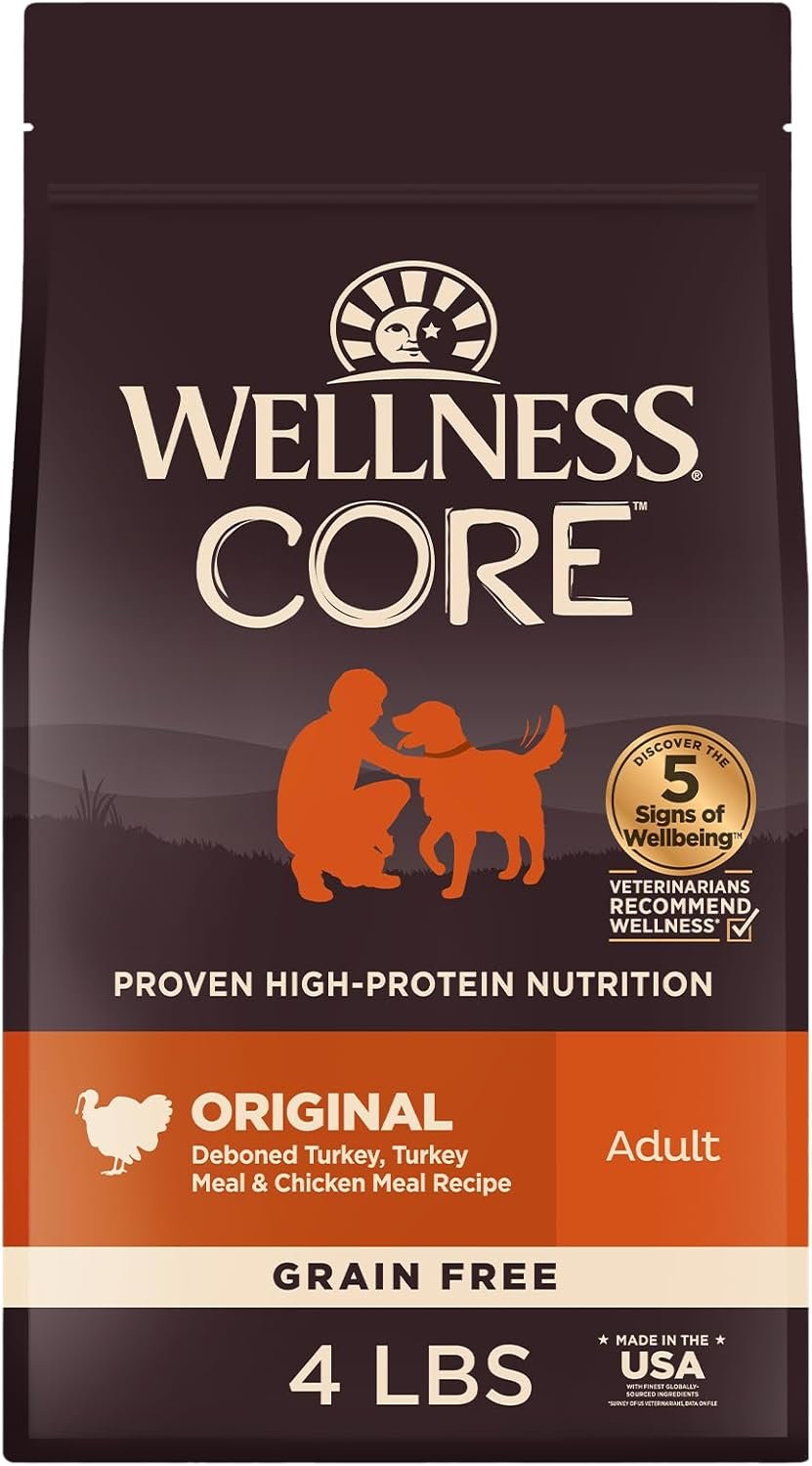
- High amount of turkey and chicken protein.
- Free from grains with no artificial ingredients.
- Has probiotics and omega fatty acids for healthy benefits.
- Blue Buffalo Life Protection Formula
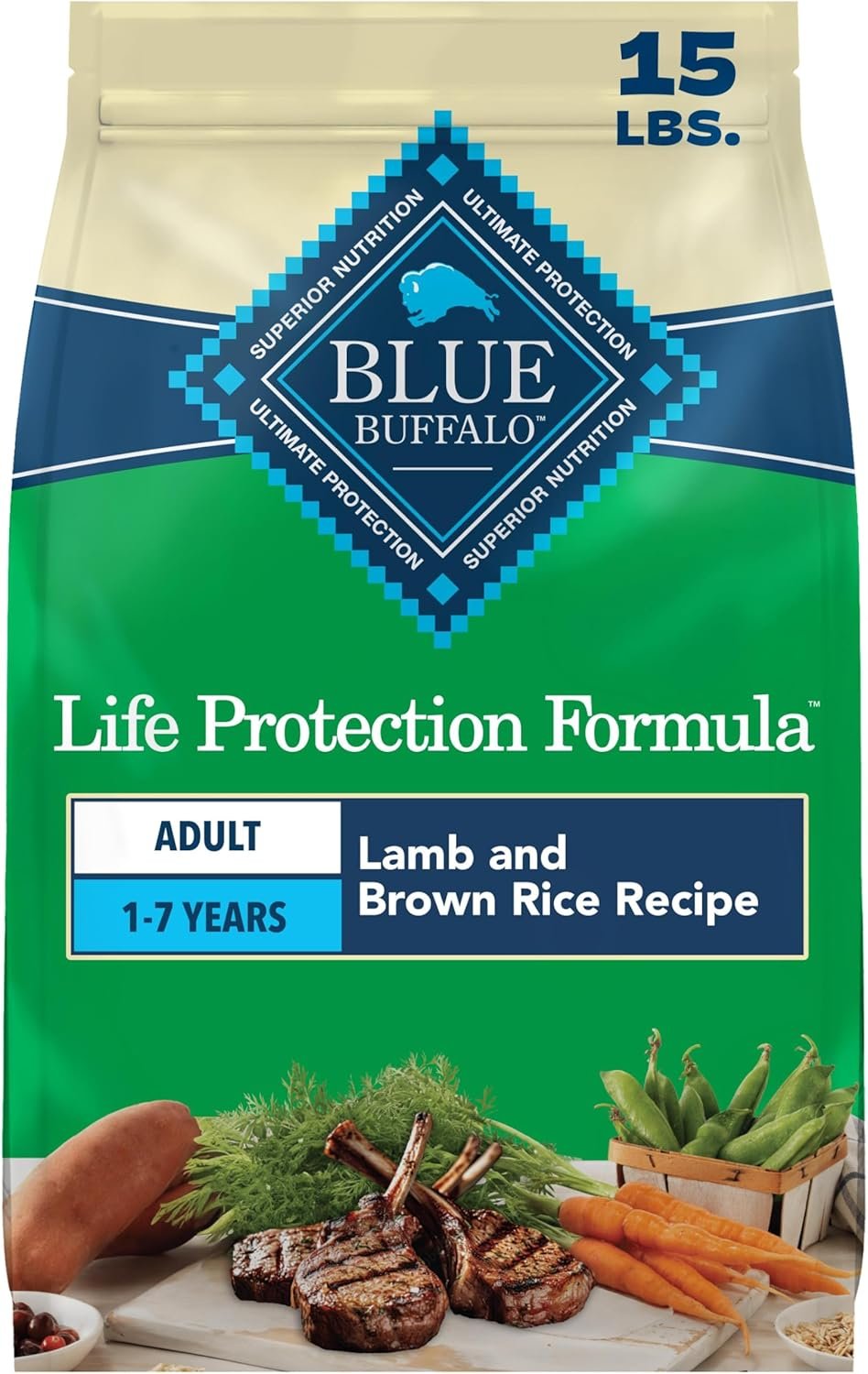
- First of all, real meat is the ingredient used.
- Wholegrain, vegetables, fruits are contained in it.
- It also has vitamins, minerals and antioxidants added to it.
Dog Foods with Clear Labeling
- Canidae PURE Limited Ingredient Premium Adult Dry Dog Food
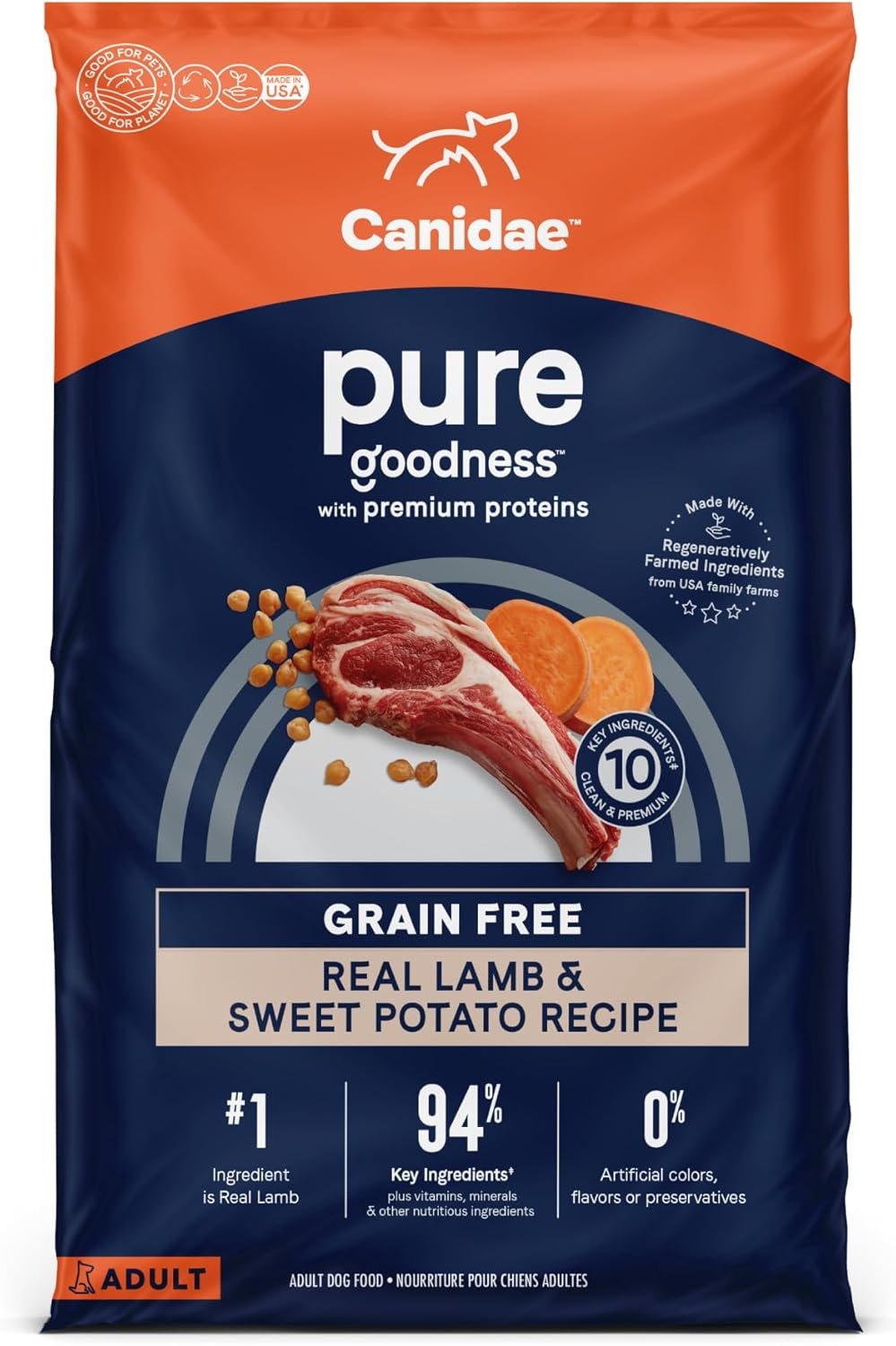
- Limited ingredients for dogs with allergies.
- Transparency about animal proteins which are named.
- No corn, wheat or soy is used in this brand.
- Merrick Grain-Free Texas Beef & Sweet Potato
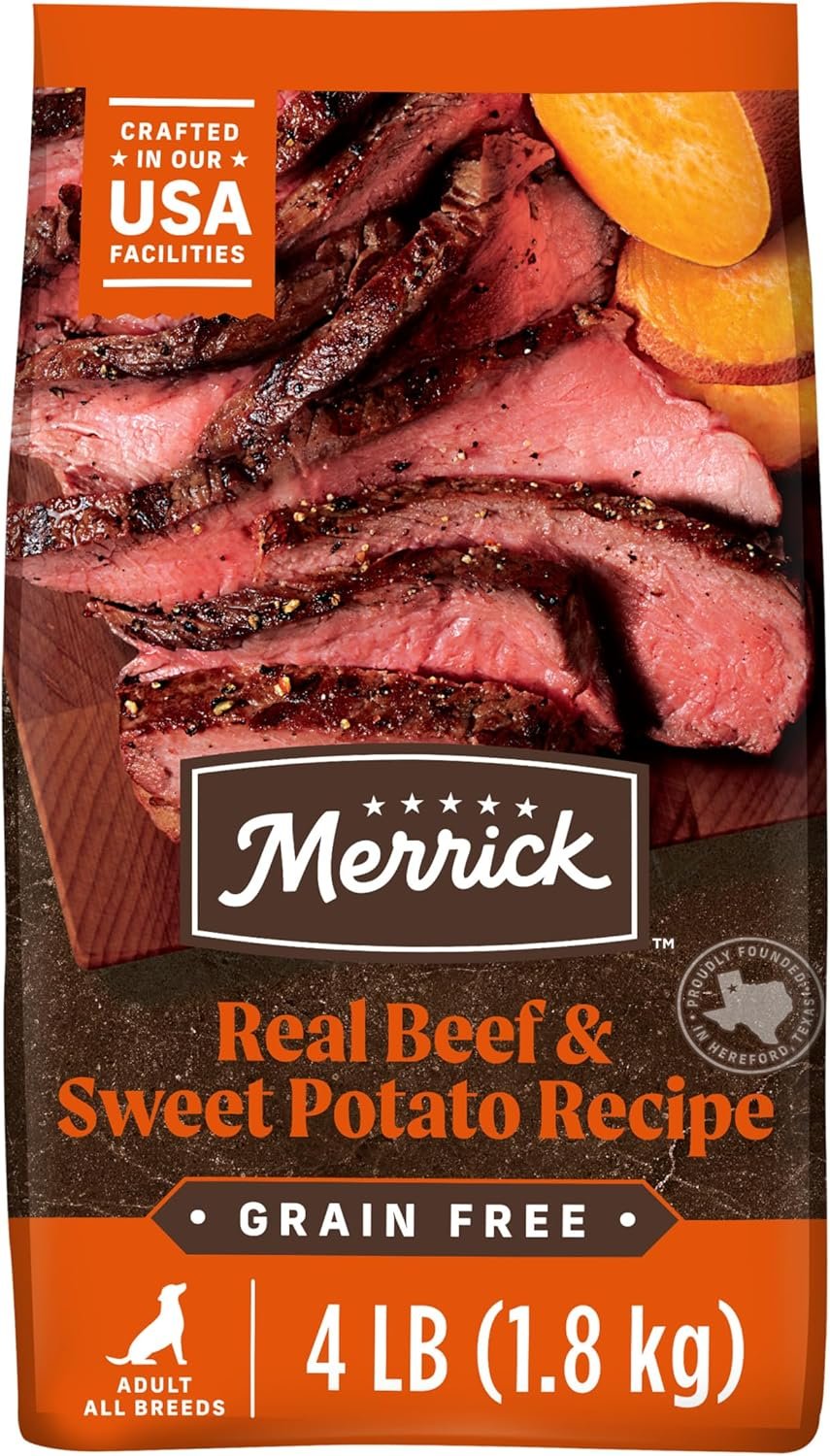
- Deboned beef as its first ingredient.
- Sweet potatoes along with peas make it grain-free.
- Does not contain artificial colors, flavors or preservatives.
Hence by purchasing dog foods that have high quality components and transparency on labeling you can always be sure that your pet will have good nutrients.